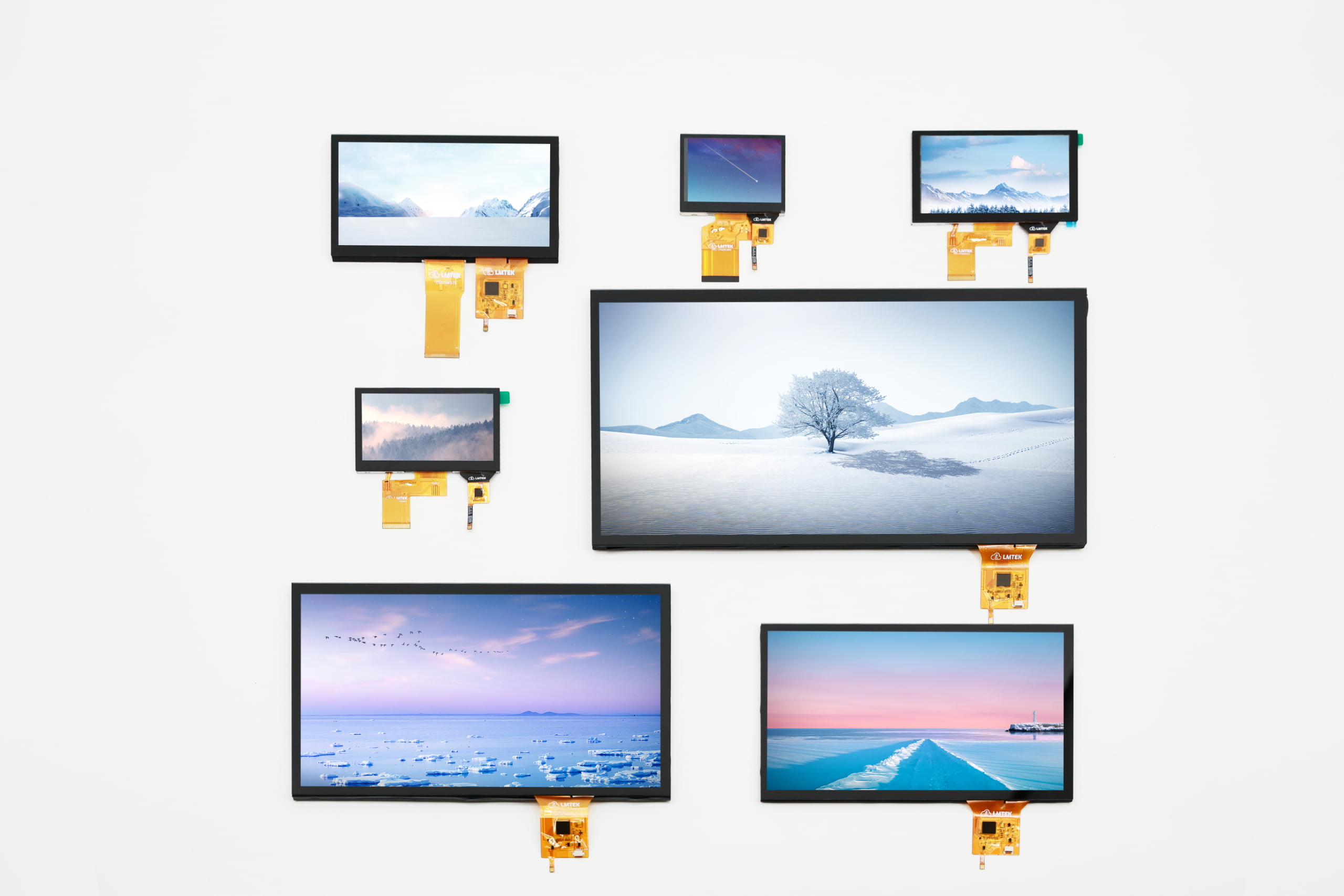
When looking at TFT vs IPS displays, the main differences are in performance and experience. TFT, short for Thin Film Transistor, is a kind of LCD screen. It is cheaper and reacts quickly. IPS, which means In-Plane Switching, improves on TFT screens. It shows colors more accurately and looks good from more angles. This makes IPS great for jobs needing clear pictures, like medical work or graphic design. Picking the right screen is important for how you see things. If you want bright colors and clear views from all sides, IPS is better. But if you need something simple and affordable, TFT works well too.
Isn't IPS LCD a type of TFT technology itself?
When we compare "TFT" with "IPS," which two specific types of technologies are usually referred to?
IPS technology improves older TFT screens like TN. TN panels have narrow viewing angles. Colors may look wrong or fade when seen from the side. IPS fixes this by keeping colors steady from wider angles. Another upgrade is better color quality. IPS screens show brighter and more accurate colors than TN screens. This makes IPS great for jobs needing clear visuals, like medical work or graphic design. IPS also spreads brightness evenly across the screen for a balanced look. If you need a screen for industrial or embedded systems, IPS is more reliable. It works well in places where clear visuals are important. Whether it’s a touchscreen for smart homes or a high-resolution screen for medical tools, IPS offers better performance.
From the perspective of the core visual experience: What are the significant differences in viewing angle performance between IPS and ordinary TFT (TN)?
Why is a wide viewing angle crucial for B2B applications such as industrial control and medical devices?
Wide viewing angles are very important for many business uses. In factories, workers often look at screens from different spots. A screen with bad angles can make colors look wrong. This can cause mistakes because the screen is unclear. In hospitals, clear visuals are very important. Doctors and nurses may need to see screens from the side. A screen that keeps colors and brightness steady helps them make better choices. For example, the 7.0″ TFT IPS display shows why angles matter. These screens are made for outdoor kiosks, medical tools, and factory panels. They stay clear even when viewed from the side. This makes them perfect for tough jobs like these.
Under different viewing angles, how do the color and brightness attenuation differ between IPS and ordinary TFT (TN)?
IPS screens are better than TN screens at keeping colors and brightness. When you look at a TN screen from the side, colors change. The brightness also gets weaker. This happens because TN screens can’t spread light evenly. So, the picture looks worse unless you look straight at it. IPS screens work differently. They line up liquid crystals sideways, so light spreads evenly. This design keeps colors and brightness steady, even at sharp angles. Whether you look straight or from the side, IPS screens show clear and bright pictures. For jobs like medical imaging or factory machines, this is very important. A medical screen must show clear details no matter where you stand. A robot’s screen also needs IPS to stay clear in busy places. IPS makes sure the visuals stay reliable in all situations.
Color reproduction and accuracy: What makes IPS LCD better than regular TFT (TN) LCD?
Why is IPS preferred for jobs needing accurate colors, like medical work or design?
If your job needs exact colors, IPS LCD screens are the best. They show true-to-life colors, matching what you see in real life. This is very important in fields like healthcare and graphic design. For example, a doctor checking medical images needs clear and steady colors from any angle. IPS screens make this possible by keeping visuals even across the whole screen. Graphic designers also gain from IPS displays. Whether editing photos or creating art, IPS screens show bright and accurate colors. Unlike regular TFT (TN) screens, IPS panels don’t change colors when viewed from the side. This makes them great for teamwork, where many people look at the screen together. IPS screens are also great at spreading brightness evenly. They avoid bright or dark spots, making the screen clearer. This is why IPS is the top choice for high-quality TFT LCD screens used in medical tools and factory systems.
How do regular TFT (TN) screens handle color saturation and range?
Regular TFT (TN) screens aren’t as good with colors. They can’t show as many shades as IPS screens. Colors might look dull or faded, especially in detailed tasks like robotics or automation. If your project needs sharp visuals, like smart home touchscreens, TN screens might not be enough. TN screens also have trouble with color strength. When seen from an angle, colors can fade or shift, making them less reliable for precise work. For example, TN screens might work for simple tasks in IoT or gadgets. But for things like medical work or design, IPS screens are much better. When picking a screen for industrial or embedded systems, think about what you need. IPS screens give the clarity and accuracy needed for important tasks. TN screens are better if you need something cheaper for basic use.
Contrast and the ability to display black: What are the differences between IPS and ordinary TFT (TN) LCD screens?
How does a higher contrast improve the readability of complex data displays and images?
Contrast helps you see details clearly on a screen. A higher contrast ratio means darker blacks and brighter whites. This makes it easier to notice small details in pictures or data. IPS LCD screens are great at this. They show deep blacks and keep brightness even across the screen. This makes them perfect for tasks like medical imaging or factory controls. Think about using a TFT LCD Display for robots or machines. A screen with low contrast can make small text or lines hard to see. IPS panels fix this by showing sharp images, even in low light. That’s why they’re often used in high-quality TFT LCD Displays for medical tools and industrial systems. Regular TFT (TN) screens don’t handle contrast well. They can’t show very dark blacks, so the screen may look faded. For simple projects like IoT or gadgets, this might not matter much. But for precise tasks, like smart homes or embedded systems, IPS screens are much better. Higher contrast also helps when using screens outside. A High Brightness TFT LCD Display for Outdoor Use keeps text and pictures clear in sunlight. IPS screens do this better than TN panels, making them ideal for outdoor kiosks or handheld devices. Tip: Pick a screen with good contrast for medical or industrial use. It helps you see data and images clearly, especially in important situations.
Response time and dynamic blur: What are the differences between IPS and ordinary TFT (TN) when displaying fast-changing content?
For B2B applications that need to display motion graphics or videos, how should we balance the response time when making a choice?
Response time is key for fast-moving content. It shows how quickly a pixel changes color. Faster response times mean less blur and sharper motion. Regular TFT (TN) screens are great at this. They can have response times as quick as 1 millisecond. This makes them perfect for gaming or video systems. IPS screens are slower, with response times of 4 to 8 milliseconds. This can cause slight blur in fast scenes. But newer IPS technology has improved a lot. The gap between IPS and TN screens is now smaller. For most business uses, like medical tools or factory systems, this small delay doesn’t matter much. The better colors and angles of IPS displays often make up for the slower speed. If your work needs motion graphics or videos, think about trade-offs. For example, a TFT LCD Display for robots may need fast response times for smooth actions. But a High-resolution TFT LCD Display for medical tools may focus on clear colors, even if it’s slower. Choose based on what you need most. If smooth motion is vital, go for a TN-based TFT Display Panel. But if bright colors and wide angles matter more, pick an IPS-based Touchscreen TFT LCD Display for smart homes or factories. Tip: Test the screen in real situations. This helps you see if the response time works without losing other important features.
In terms of screen size, shape, interface customization, and the integration of touch functions, what are the differences in the flexibility provided by the two?
When picking between IPS and regular TFT (TN) screens, flexibility matters a lot. Think about size, shape, interface options, and touch features. These decide how well the screen fits your needs. Screen Size and Shape TFT LCD screens, including IPS, come in many sizes and shapes. Whether it’s a Small TFT LCD Display for Embedded Systems or a High Brightness TFT LCD Display for Outdoor Use, both types offer choices. But IPS screens are better for larger, high-resolution displays. They work well for High-resolution TFT LCD Displays for Medical Devices, where clear details are key. TN-based TFT screens are more common in smaller, cheaper setups like Affordable TFT LCD Displays for IoT Projects.
Interface Customization
TFT LCD screens support different interfaces like HDMI, VGA, and LVDS. This makes them great for TFT Displays for Embedded Systems and TFT LCDs for Industrial Use. IPS screens often support newer interfaces. These improve compatibility with Touchscreen TFT LCD Displays for Smart Home Solutions and TFT LCD Displays for Robotics and Automation.
Touch Integration
Touch features are another area where IPS screens do well. Many IPS panels use capacitive touch, which is accurate and fast. This makes them ideal for TFT LCD Screens with Capacitive Touch for Industrial Applications. TN-based TFT screens can also have touch, but they’re less accurate and slower. For tasks needing smooth touch, IPS is the better pick. Tip: For consumer electronics or automation, choose IPS for better touch and interface options. For cheaper projects, TN-based TFT screens may work fine.
Final Thoughts
Both IPS and TN-based TFT screens are flexible, but IPS is better for high-resolution, touch, and modern interfaces. TN screens are good for smaller, budget-friendly uses. Pick the right screen for your project to get the best results.
Power consumption and energy efficiency: What considerations are there for the energy consumption of IPS LCD and ordinary TFT (TN) LCD?
For portable or battery-powered devices, which technology is more conducive to extending the battery life?
When picking a screen for portable devices, saving power is key. Between IPS LCD and regular TFT (TN) LCD, TN uses less energy. This makes it better for gadgets needing long battery life. TFT (TN) LCD screens are simpler in design. They need less backlight to show images, saving power. For example, a Small TFT LCD Display for Embedded Systems or an Affordable TFT LCD Display for IoT Projects often uses TN screens. These are great for showing text or basic pictures. IPS LCD screens, however, use more power. They show better colors and work well from all angles. But their liquid crystal setup needs stronger backlighting. This makes IPS less energy-saving than TN. Still, for things like High-resolution TFT LCD Displays for Medical Devices or Touchscreen TFT LCD Displays for Smart Home Solutions, the extra power is worth it. You get clearer and brighter visuals. If you’re making a portable device, think about what matters most. For longer battery life, a TFT LCD Display for Consumer Electronics with TN is a smart pick. But if you need bright colors and wide views, an IPS-based TFT Display Panel can work. Just make sure to save power in other parts of the device. Tip: Test the screen in real use. This helps you find the right balance between power use and performance for your device.
Durability and lifespan: What are the differences in the reliability performance of IPS and ordinary TFT (TN) in an industrial environment?
What special requirements do specific applications (such as outdoor use and high-vibration scenarios) have for the selection of display technology?
Picking a screen for tough jobs means focusing on durability. Outdoor and high-vibration settings need screens that stay strong and work well. Both IPS and TFT (TN) screens have pros and cons. Knowing these helps you choose wisely. For outdoor use, screens must handle heat, cold, and sunlight. IPS screens are great because they stay bright and keep colors steady. A High Brightness TFT LCD Display for Outdoor Use works well even in direct sunlight. But TN-based Affordable TFT LCD Displays for IoT Projects may not stay clear or bright in such conditions. In places with lots of shaking, like trains or machines, the screen’s toughness is key. TN-based TFT Display Panels are stronger because they’re simpler. Still, IPS screens with extra protection can also handle these jobs. They’re good for TFT LCD Displays for Robotics and Automation. Here’s a table of tests used to check screen durability:
| Testing Method | What It Tests | Where It’s Used |
|---|---|---|
| Thermal Testing | Checks if screens survive extreme heat or cold. | Factories, cars, planes, and electronics. |
| Humidity Testing | Tests how moisture affects screen performance. | Medical tools, electronics, and packaging. |
| Vibration and Mechanical Shock Testing | Measures how well screens handle shaking and bumps. | Transport and heavy-duty workplaces. |
| Salt Spray or Corrosion Testing | Speeds up rusting to test protective layers. | Boats, cars, and construction sites. |
| Highly Accelerated Life Test (HALT) | Pushes screens to their limits to find weak spots. | Fixing design flaws before mass production. |
| Highly Accelerated Stress Screening (HASS) | Finds hidden defects by repeating stress tests. | Critical industries like aerospace and advanced electronics. |
For factory systems, IPS screens often balance strength and quality. They show sharp images even in tough conditions. This makes them great for High-resolution TFT LCD Displays for Medical Devices or Touchscreen TFT LCD Displays for Smart Home Solutions. But if you need something simple and cheap, TN-based Small TFT LCD Displays for Embedded Systems might work better. Tip: Match the screen’s durability to your job’s needs. For outdoor or shaky settings, use tests like HALT or vibration testing to check reliability.
Cost factor: In B2B project procurement, how much is the price difference between IPS and ordinary TFT (TN)?
When comparing IPS and regular TFT (TN) screens, prices differ a lot. IPS panels cost more because they use advanced technology. They show better colors, wider angles, and higher contrast. These features make them great for medical tools or factory systems. On the other hand, TN-based TFT LCD screens are cheaper. They are often used in budget-friendly projects like IoT devices or simple gadgets.
Besides the panel itself, what other factors will affect the overall cost of using different technologies?
The total cost of a screen depends on more than just the panel. Here are some things that can change the price:
Screen Size and Resolution: Bigger screens or high-resolution TFT LCD displays for medical devices cost more. Smaller TFT LCD displays for embedded systems are usually less expensive.
Touchscreen Integration: Adding touch features raises the price. For example, a TFT LCD screen with capacitive touch for industrial applications costs more than a basic screen.
Brightness and Durability: High brightness TFT LCD displays for outdoor use need stronger lights, which increases costs. Tough designs for factories also add to the price.
Customization Needs: Special shapes or custom interfaces, like those in TFT display modules for robotics and automation, can make production more expensive.
Energy Efficiency: Screens made to save power, like affordable TFT LCD displays for IoT projects, may cost more upfront but save money later.
Volume of Purchase: Buying in bulk lowers the price per screen. This is common for TFT LCD displays for consumer electronics.
When picking between IPS and TN, think about your project’s needs. For example, if you need the best TFT LCD display for industrial control systems, spending more on IPS might be worth it. But for simpler tasks, a TN-based TFT display panel can save money and still work well. Tip: Don’t just look at the starting price. Think about long-term costs like durability, energy use, and maintenance. These can affect how much you spend over time.
For your specific B2B application scenarios, how can we decide between IPS and ordinary TFT (TN) LCD?
When is it better to use IPS displays in industrial control and medical tools?
Choose IPS displays for tasks needing clear and accurate visuals. In factories, workers use screens to check detailed data. An IPS-based TFT LCD Display keeps colors and brightness steady, even from the side. This is helpful when many people need to see the screen at once. Medical tools also gain from IPS displays. A High-resolution TFT LCD Display for Medical Devices shows true colors, which is key for medical images. Whether it’s a surgery monitor or a diagnostic tool, IPS screens give sharp and reliable visuals. In summary, IPS displays are best for jobs needing accuracy, wide angles, and steady colors.
When do TN-based TFT screens work better for cost-sensitive or simple tasks?
For tight budgets, TN-based TFT LCD Screens are a smart pick. They cost less and work well for basic tasks. For example, Affordable TFT LCD Displays for IoT Projects are great for smart meters or simple control panels. These don’t need wide angles or perfect colors, so TN screens fit well. Small TFT LCD Displays for Embedded Systems also benefit from TN screens. They’re cheaper and respond faster, making them good for simple robotics or automation tasks. If your project doesn’t need fancy visuals, TN screens save money and still work fine.
What should we focus on when picking screens for smart homes or info terminals?
For smart home devices, focus on touch, angles, and energy use. A Touchscreen TFT LCD Display for Smart Home Solutions with IPS tech gives smooth touch and bright visuals. This is ideal for smart thermostats or home control panels. For info terminals, think about where they’ll be used. A High Brightness TFT LCD Display for Outdoor Use stays clear in sunlight. A TFT LCD Screen with Capacitive Touch for Industrial Applications is tough and precise. If cost matters, a TN-based TFT Display Module works for indoor terminals with simple needs. In the end, match the screen’s features to your product’s purpose. Think about how and where it will be used to choose wisely.
What special requirements do medical diagnostic devices have for grayscale display and detail reproduction, and which technology can better meet these requirements?
Medical devices need screens that show clear details and accurate grays. This is important for tasks like reading X-rays or CT scans. The screen must show small differences in gray shades without errors. This helps doctors find problems and make correct decisions. IPS screens are great for showing grays. They keep brightness and colors steady across the whole screen. Even from the side, High-resolution TFT LCD Displays for Medical Devices with IPS stay clear. This is helpful when many people need to see the screen at once. TN-based TFT LCD Screens are not as good with grays. Their narrow viewing angles and uneven brightness can make details hard to see. While TN screens work for simple tasks, they are not good for jobs needing high accuracy. For medical tools, IPS-based TFT Display Panels are the best choice. They show every gray shade clearly, helping doctors make better decisions. If your device needs detailed images, IPS is the way to go. Tip: Test the screen in real settings. This ensures it shows grays correctly and meets your needs.
For outdoor handheld devices or information terminals under direct sunlight, what requirements are there for the brightness and anti-reflectivity of the display, and how do IPS and ordinary TFT (TN) deal with these requirements?
Outdoor devices need bright screens that don’t reflect too much light. Sunlight can make screens hard to read, so brightness and anti-glare features are key. IPS screens work well outside. They are brighter and keep colors steady. A High Brightness TFT LCD Display for Outdoor Use with IPS stays clear even in strong sunlight. These screens also reduce glare, making them easier to see outdoors. TN-based Affordable TFT LCD Displays for IoT Projects don’t perform as well outside. They are less bright and lack good anti-glare coatings. This makes them harder to use in sunny places. However, TN screens are fine for indoor or shaded areas. For outdoor devices, IPS-based TFT LCD Screens are the best option. They combine high brightness and anti-glare features for clear visuals. Whether it’s a kiosk or a handheld device, IPS ensures the screen is easy to read in any light. Note: Think about where your device will be used. For outdoor use, focus on brightness and anti-glare features for better visibility.
Summary: What are the key decision points when choosing between TFT (TN) and IPS for your next B2B project?
Picking between TFT (TN) and IPS screens depends on your project’s needs. Each type has its own strengths, so knowing what you require will help you decide.
Key Factors to Think About:
Visual Performance If you need clear colors and wide angles, go with IPS. These screens are great for tasks like medical imaging or factory controls. For simpler jobs, like IoT devices or basic gadgets, TFT (TN) screens work just fine.
Durability and Environment For outdoor or shaky places, durability is key. IPS screens are brighter and reduce glare, making them good for kiosks or handheld tools. But TFT (TN) screens are tougher and cheaper for vibrating setups like robots.
Energy Efficiency If saving battery is important, TFT (TN) screens use less power. They’re great for portable devices like IoT tools. IPS screens use more energy but give better visuals, which can be worth it for certain tasks.
Cost and Budget If money is tight, TFT (TN) screens are more affordable. They’re perfect for low-cost projects. IPS screens cost more but offer better features, making them ideal for medical tools or smart home devices.
Customization Needs Think about size, shape, and touch features. IPS screens often support advanced touch and modern interfaces, making them great for smart homes or factories. TFT (TN) screens are better for small, simple setups. Tip: Match your project’s needs—like visuals, durability, power, and budget—with the right screen type. This helps you make the best choice.
Example Scenarios:
Best TFT LCD Display for Industrial Control Systems: Use IPS for clear and accurate data in factories.
Affordable TFT LCD Display for IoT Projects: Choose TFT (TN) for budget-friendly smart meters or control panels.
High Brightness TFT LCD Display for Outdoor Use: Pick IPS for bright and clear visuals in sunlight, perfect for kiosks or handheld devices. By considering these points, you can pick the best screen for your B2B project. When looking at TFT and IPS displays, they have clear differences. IPS screens show better colors, wider angles, and sharper contrast. This makes them great for medical tools, factory controls, and smart home devices. TFT (TN) screens are cheaper and save more energy. They work well for low-cost projects like IoT gadgets or simple systems. Pick a screen based on what you need most. If you want bright colors and accuracy, choose IPS. If you need something affordable or for portable devices, go with TFT (TN). Always match the screen to your project’s needs.
FAQ
What’s the big difference between IPS and regular TFT (TN) screens?
IPS screens show colors more accurately and look good from angles. Regular TFT (TN) screens are cheaper and respond faster. If you need bright, clear visuals for things like medical tools or smart devices, go with IPS. For saving money, TN is a good choice.
Are IPS screens better for outdoor use than TN screens?
Yes, IPS screens work better outside. They are brighter and reduce glare, so they’re easier to see in sunlight. TN screens aren’t as bright and reflect more light, making them harder to use outdoors. For kiosks or handheld gadgets, IPS is the smarter pick.
Do TN screens save more energy than IPS screens?
Yes, TN screens use less power because they need less backlight. This makes them great for portable devices like IoT tools. IPS screens use more energy but show better pictures. For battery-powered gadgets, TN screens are more energy-efficient.
Which screen type is best for medical tools?
IPS screens are the best for medical tools. They show sharp images, true colors, and even brightness. These features are important for things like X-rays or scans. TN screens don’t have the same accuracy, so IPS is the better option.
How do IPS and TN screens compare in toughness for industrial jobs?
TN screens are tougher in places with lots of shaking because they’re simpler. IPS screens aren’t as strong but can handle tough jobs with extra protection. For robots or machines, TN screens work well. For factory controls, IPS gives clearer visuals.