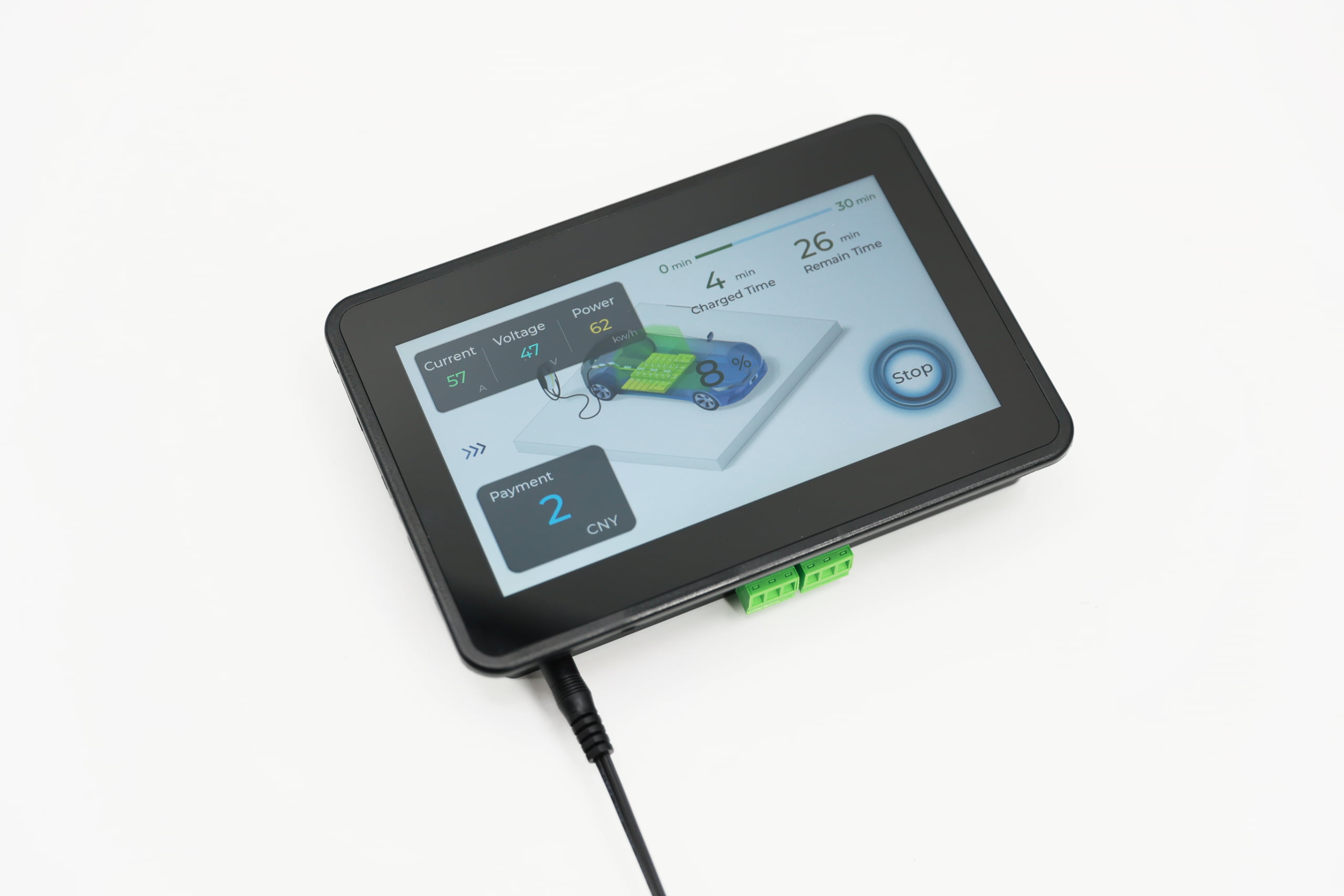
Choosing the right control systems for your industrial automation project depends on what you need. Some processes, like high-volume or repetitive tasks, score high for automation and benefit from systems like HMI PLC. If your process is complex and needs many handoffs, you may need more advanced solutions. PLCs handle discrete control, while DCS fits continuous, complex processes. SCADA manages supervisory control. HMI, or human-machine interface, lets you interact with machines easily. In fact, 84% of companies use automation for daily operations, showing how important these systems are in industrial automation.
Key Takeaways
-
PLCs control machines and small tasks with fast response and easy upgrades, making them ideal for repetitive jobs and medium-sized operations.
-
DCS suits large, continuous processes like chemical plants, offering stable, reliable control and real-time monitoring of thousands of points.
-
SCADA provides wide-area supervisory control and data collection, enabling remote monitoring and quick problem detection across multiple sites.
-
HMI acts as the user interface, showing real-time data and alarms to help operators make fast, informed decisions and improve safety.
-
Choosing the right system depends on your process type, scale, and integration needs; combining systems can boost efficiency and prepare you for future growth.
Quick Comparison

Key Features
When you look at automation systems, you want to know what each one does best. Here’s a quick table to help you see the differences:
| System Type | Main Function | Scale Suitability | Cost & Application | Flexibility and Upgrade Potential |
|---|---|---|---|---|
| PLC (Programmable Logic Controller) | Controls machines and specific tasks | Medium to large, hundreds of I/O points | Cost-effective, easy to set up, great for small and medium businesses | High—easy to expand and upgrade |
| DCS (Distributed Control System) | Controls whole factories, links many PLCs | Large-scale, thousands of I/O points | Higher cost, best for big companies with complex needs | Moderate—stable after setup |
| SCADA (Supervisory Control and Data Acquisition) | Supervisory control, monitors and collects data | Factory-wide or across sites | Adds flexibility, real-time response, works with PLC/DCS | High—adapts to many setups |
| HMI (Human-Machine Interface) | Operator interface, shows real-time data | Any scale | Low to moderate cost, needed for all systems | High—easy to update screens |
You can see that a programmable logic controller is great for controlling machines or small processes. A distributed control system works best for big, complex operations like chemical plants. SCADA gives you supervisory control and data collection, even over large areas. HMI lets you interact with all these systems, showing you what’s happening in real time.
Tip: Modern PLCs use Ethernet and open protocols, so you can connect them to many devices. This makes upgrades and changes easier.
Main Differences
-
PLCs handle local machine control. You use them for tasks like assembly lines or packaging.
-
DCS manages continuous processes. You find them in industries like oil, gas, or water treatment.
-
SCADA gives you supervisory control and data acquisition. You can monitor and control systems from a distance.
-
HMI acts as your window into the system. You see alarms, trends, and process data on easy-to-read screens.
PLCs offer strong flexibility and upgrade potential. You can add new modules or change programs as your needs grow. DCS systems focus on stability and reliability. Once set up, you rarely need to change them. SCADA systems shine when you need to watch over many sites or want remote access. HMI is always needed, no matter which system you choose.
If you work in automotive manufacturing, you might use PLCs to control robots and conveyors. This can double your assembly speed and cut errors by 40%. In pharmaceutical plants, DCS helps you keep tight control over the environment, boosting compliance and output. SCADA and HMI tie everything together, giving you the big picture and letting you act fast.
System Roles
PLC in Automation
A programmable logic controller, or PLC, acts as the brain for many machines in industrial automation. You use a PLC to control tasks like turning motors on and off, moving conveyor belts, or sorting products. These devices work well for repetitive jobs and can handle hundreds of input and output points.
When you use a PLC, you get fast response times. This helps you keep your machines running smoothly. You can also reprogram a PLC when your process changes. That means you can adapt quickly if you need to make a new product or change your assembly line.
Here are some ways PLCs help in industrial automation:
-
Increase productivity and efficiency by running machines without breaks.
-
Improve precision and quality, especially when paired with sensors or machine vision.
-
Lower costs by reducing waste and using resources better.
-
Make your workplace safer by letting robots handle dangerous jobs.
-
Give you flexibility and scalability, so you can add or change machines as needed.
You see PLCs in car factories, food processing plants, and even in water treatment. When you combine a PLC with SCADA, you get both local control and big-picture monitoring.
DCS and Distributed Control Systems
A distributed control system, or DCS, manages complex and continuous processes. You find DCS in places like chemical plants, oil refineries, and power stations. Unlike a single PLC, a DCS spreads control across many controllers. Each controller handles a part of the process, but they all work together.
DCS gives you real-time monitoring and control over thousands of points. You can see everything from one central location. This setup makes it easier to spot problems and fix them fast. DCS also helps you keep your process stable, which is important for quality and safety.
Let’s look at some benefits of distributed control systems:
| Advantage Category | Evidence Detail |
|---|---|
| Energy Efficiency | Up to 20% less energy use with better process control. |
| Productivity | Up to 25% more output thanks to improved visualization and control. |
| Availability | 15% higher system uptime, so you avoid costly downtime. |
| Engineering Efficiency | Industry templates cut down on setup time and errors. |
| Integration | One interface can handle up to 10,000 I/O tags, more than most PLC-SCADA setups. |
| Safety | Early fault detection and remote monitoring boost safety. |
| Visualization & Control | High-performance HMI gives you a clear view of the whole process. |
DCS works best when you need to control critical processes that run all day, every day. You get fast response times and strong reliability. If you plan to expand or need flexibility, DCS can scale up with your needs.
SCADA in Control Systems
SCADA stands for supervisory control and data acquisition. You use SCADA to watch over and control large systems, sometimes spread out over many locations. SCADA connects to PLCs, DCS, and other devices. It collects data, shows you what’s happening, and lets you make changes from a central spot.
With SCADA, you get real-time monitoring of things like temperature, pressure, and speed. You can set up alarms to warn you about problems. SCADA also stores data for later, so you can look for trends or plan maintenance.
Here’s how SCADA improves your operations:
-
Real-time monitoring helps you spot hazards early and act fast.
-
Continuous data collection keeps your product quality high.
-
Automation cuts down on manual work and downtime.
-
Long-term data storage supports process improvements and predictive maintenance.
-
Remote monitoring lets you control systems from anywhere, giving you more flexibility.
SCADA works well for industries like water treatment, power grids, and transportation. You can manage many sites from one control room. When you combine SCADA with DCS, you get both detailed process control and wide-area supervision.
HMI PLC Interface
The human-machine interface, or HMI, is how you interact with your automation system. When you use an HMI PLC setup, you get a clear window into your machines. The HMI connects to the PLC, showing you real-time data, alarms, and trends on easy-to-read screens.
Modern HMI systems use web APIs or Ethernet to talk to PLCs. This gives you real-time control and monitoring. You can see charts and graphs that help you understand what’s happening. If something goes wrong, the HMI sends you an alert right away.
Here’s what you gain from using HMI with PLC:
-
Real-time data visualization helps you make quick decisions.
-
Alarm and event handling keeps you informed about issues.
-
Automated data logging supports better analysis and planning.
-
Web-based HMIs save money and work on many devices.
-
Remote access lets you monitor and control machines from anywhere.
-
Centralized control reduces response time and boosts productivity.
-
Easy-to-use screens lower training needs and cut down on mistakes.
A case study showed that updating an old heating system with HMI PLC doubled production speed and reduced scrap. You get better safety, less downtime, and more efficient operations.
Tip: Always choose the right system role for your needs. SCADA works best for wide-area monitoring, while DCS shines in real-time process control. PLCs handle local tasks, and HMI ties everything together for easy operator control.
Pros and Cons
PLC
A programmable logic controller, or PLC, gives you strong control over machines and equipment. You can use a PLC for tasks like sorting, moving, or counting products. Many factories trust PLCs because they are reliable and easy to program.
Pros:
-
Fast response times keep your machines running smoothly.
-
Easy to reprogram when your process changes.
-
High flexibility—add or remove modules as you grow.
-
Cost-effective for small and medium businesses.
Cons:
-
Older PLCs can cause problems. Over 50% of factories use PLCs that are more than 10 years old. This can lead to downtime and lost productivity.
-
PLC-related issues cause about 50% of unplanned downtime, which can cost up to $4.2 million per hour in big plants.
-
Not the best choice for very large or complex processes.
Tip: Upgrade your programmable logic controller regularly to avoid costly shutdowns and boost efficiency.
DCS
A distributed control system, or DCS, works best for big, complex, and continuous processes. You see DCS in places like oil refineries or power plants.
Pros:
-
Centralized control makes it easy to manage thousands of signals.
-
High reliability and stability for 24/7 operations.
-
Scales well as your plant grows.
-
Integrates with enterprise systems for better data sharing.
Cons:
-
Higher upfront cost than a PLC.
-
Less flexible after setup—changes can be harder to make.
-
Needs skilled workers for setup and maintenance.
-
DCS shines in continuous process management. It handles real-time data and keeps your plant stable, even when things get busy.
SCADA
SCADA stands for supervisory control and data acquisition. You use SCADA to watch over and control many sites or large areas.
Pros:
-
Real-time remote access lets you monitor from anywhere.
-
Fast detection of problems reduces downtime.
-
Supports mobile workforces and remote teams.
-
Automatic updates and backups keep your system safe.
Cons:
-
Can be expensive to install and maintain.
-
Needs good cybersecurity to protect against threats.
-
May require skilled staff for setup and troubleshooting.
SCADA helps you spot issues early and keeps your team connected. You can cut downtime by up to 15% and save energy by up to 20% with the right setup.
HMI
HMI, or human-machine interface, is your window into the system. You use HMI screens to see data, alarms, and trends.
Pros:
-
Real-time data and alerts help you act fast.
-
Easy-to-use screens lower training time.
-
Customizable layouts fit your needs.
-
Supports predictive maintenance and proactive decisions.
Cons:
-
Needs regular updates to stay secure.
-
Complex HMIs may require more training.
-
Not a control system by itself—works with PLC, DCS, or SCADA.
-
By 2025, over 35% of HMI solutions will use AI, making them even smarter and more helpful.
Note: A good HMI boosts productivity and helps you avoid mistakes. It brings all your data together in one place.
Choosing Control Systems
Discrete vs Continuous Automation
When you pick control systems, you first need to know if your process is discrete or continuous. Discrete automation deals with tasks that have clear start and stop points. Think about packaging, sorting, or assembling products. You often see a programmable logic controller or PLC in these jobs. PLCs work well because they react fast and handle lots of small, repeatable actions.
Continuous automation, on the other hand, runs without stopping. You see this in oil refineries, chemical plants, or water treatment. Here, a distributed control system, or DCS, fits best. DCS manages real-time process automation, keeping everything stable and safe. It handles thousands of signals at once and keeps your process running smoothly.
Tip: If your process has lots of handoffs and never really stops, you probably need a DCS. If you work with machines that start and stop, a PLC or SCADA system might be better.
Scale and Complexity
The size of your operation matters a lot. Small businesses or startups often start with simple automation. You can use a PLC or a basic SCADA system to control a few machines. As you grow, you might need more advanced control systems.
Let’s look at how scale and complexity affect your choice:
-
Startups use affordable automation tools to manage growth.
-
Small and medium businesses (SMEs) need scalable solutions. You want to add more machines or lines as you expand.
-
Large companies need advanced systems. You might use a DCS or a full SCADA setup to handle lots of data and complex workflows.
Here are some industry facts:
-
North America makes up about 20% of global automation system revenue. This shows big investments in handling production scale and complexity.
-
In food and beverage manufacturing, automation has reached 55% worldwide. This helps manage complex production needs.
-
90% of manufacturers say cost savings drive their automation choices. Scale and complexity make automation worth the investment.
-
Labor shortages push over 75% of factories to automate more.
-
80% of manufacturers using automation report higher efficiency.
-
Only 12% of small manufacturers have fully automated operations. This shows how business size and complexity affect adoption.
You can use these metrics to measure how well your automation works:
| Metric Name | Description | Impact on Project Success |
|---|---|---|
| Employee Productivity | Time saved on manual tasks and redeployment to higher-value activities. | More focus on important work, better job satisfaction, and business growth. |
| Customer Satisfaction | Tracks response time, resolution time, and satisfaction scores related to automated workflows. | Faster service and happier customers. |
| Cost Savings | Calculates direct and indirect financial savings from automation. | Lower costs mean you can invest more in growing your business. |
| Test Coverage | Measures the percentage of application elements tested by automation. | Better quality and less risk. |
| Time-to-Market Impact | Reduction in release cycle time due to automation. | Faster delivery gives you a competitive edge. |
Note: As your business grows, you need control systems that can handle more data, more machines, and more complex tasks. DCS and SCADA systems help you manage this growth.
Integration Needs
Integration means making sure all your systems talk to each other. In industrial automation, you often use different brands and types of equipment. Modern communication protocols like PROFINET, Modbus, Ethernet/IP, and OPC UA help you connect everything. These protocols let you monitor and control your process in real time.
You get several benefits from good integration:
-
Real-time monitoring and control boost productivity.
-
Devices from different brands work together, giving you more flexibility.
-
Security features protect your data from cyber threats.
-
Open protocols like BACnet and Modbus make it easy to add new equipment without replacing old systems.
Let me share some real-world examples:
-
At Carlisle Barracks, a big upgrade replaced cooling towers and chillers. The team integrated new control systems and kept everything running during the project.
-
In recent VRF system projects, new installations connected to existing building automation systems. This made control easier and saved energy.
-
Open protocols allowed facility managers to control HVAC, lighting, security, and access from one screen.
Tip: When you plan your automation project, always check if your control systems can integrate with each other. This saves you time and money in the long run.
Integration also helps you prepare for the future. New technologies like 5G, edge intelligence, and AI make your automation smarter and more reliable. You can reduce downtime, improve efficiency, and keep your industrial automation system ready for new challenges.
Working Together

System Integration
When you bring different automation systems together, you create a powerful network that helps you monitor and control your operations better. You might connect a PLC to a DCS, or link SCADA and HMI for extensive real-time monitoring. This setup lets you see what is happening across your plant and react quickly.
You may face some challenges during integration. Here are a few common ones:
-
Staff may worry about job changes or find it hard to learn new workflows.
-
Technical issues can pop up, like software that does not talk well with other programs.
-
Data protection rules can make things more complex.
-
Sometimes, different systems use different data formats, which can cause errors.
To solve these problems, you can:
-
Use industry standards for data, like IFC, to help systems work together.
-
Test your setup in a safe environment before going live.
-
Make sure your team gets good training and support.
-
Keep your data clean and consistent for real-time performance.
A good integration strategy starts with finding where systems overlap. You should check if your APIs and software are compatible. Testing helps you spot problems early. Proactive support keeps everything running smoothly.
Note: When you connect your automation systems, you get better real-time monitoring and control. This leads to fewer errors and faster decisions.
When to Combine
You get the most value when you combine automation systems for tasks that need both speed and accuracy. For example, you can use a PLC for real-time control of machines, while SCADA provides real-time monitoring across your whole site. DCS works well for continuous processes, and HMI gives you a clear view of everything.
Here are some times when combining systems makes sense:
-
You want to automate routine tasks and also need advanced data analysis.
-
Your operation needs both local machine control and wide-area monitoring.
-
You want to scale up without losing real-time performance.
-
You need to connect old equipment with new digital tools.
Combining systems can boost efficiency by up to 300% in some cases, according to McKinsey. You can use AI and machine learning for predictive maintenance, which helps you avoid downtime. Warehouse operations, for example, use robots, PLCs, and WCS together to speed up picking and shipping.
A table can help you see how different integration methods work together:
| Method | Best Use | Limitation | How It Helps Combined Use |
|---|---|---|---|
| RPA | Simple, repeatable tasks | Breaks if UI changes | Handles front-end automation |
| iPaaS | Linking many systems | Needs learning, can cost more | Connects cloud and on-premise tools |
| Microservices | Complex, modular tasks | Harder to set up | Manages backend logic |
When you combine these methods, you get a flexible and scalable automation setup. AI can make your system smarter by predicting problems before they happen.
Tip: Start small, test your setup, and add more systems as you grow. This way, you keep your automation reliable and easy to manage.
You have many automation options. Each system has its own strengths and limits. Check out this table for a quick look:
| System Type | Best For | Watch Out For |
|---|---|---|
| PLC | Fast machine control | Not for huge, complex plants |
| DCS | Big, continuous processes | Higher cost, less flexible |
| SCADA | Wide-area monitoring | Needs strong security |
| HMI | Easy operator interaction | Not a control system alone |
-
Pick your system based on your process, size, and how much you need to connect.
-
Most experts say you should review your needs, set clear goals, and talk to a pro if things get tricky.
-
When you match the right system to your project, you save time, cut costs, and boost quality.
FAQ
What is the main difference between PLC and DCS?
A PLC controls machines or small processes. You use it for tasks like sorting or moving items. A DCS manages large, continuous processes. You see it in places like oil refineries or chemical plants.
Can I use SCADA with both PLC and DCS?
Yes, you can. SCADA connects to PLCs and DCS. It lets you monitor and control many systems from one place. You get real-time data and alarms.
Do I need an HMI for my automation system?
You do. An HMI gives you a screen to see data, alarms, and trends. It helps you control your machines easily. Every automation system needs some form of HMI.
How do I choose the right system for my factory?
-
Look at your process type: discrete or continuous.
-
Think about your factory size.
-
Check if you need remote monitoring.
-
Ask yourself how much you want to grow.
Tip: Talk to an expert if you feel unsure.
Is it hard to upgrade or expand these systems?
Upgrading a PLC is usually easy. You can add modules or change programs. DCS upgrades take more planning. SCADA and HMI systems often update with software. Always check for compatibility before making changes.